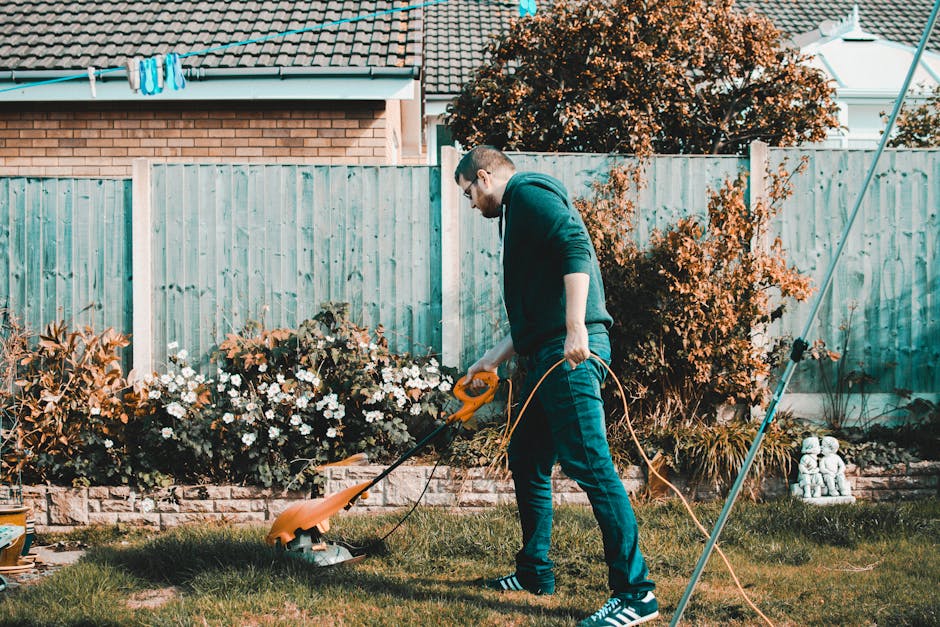
Lawn Mowing in Sidcup

Keeping a lawn neat is easier when the work is carried out regularly and with a consistent finish. Our lawn mowing in Sidcup is centred on tidy, reliable grass cutting for domestic gardens and other managed outside spaces, with attention to edging, clipping control and an even appearance across the whole area. We aim to make the service straightforward to arrange and simple to understand, so you can decide what your lawn needs and request a quotation with confidence.
The main service is grass cutting, but a good mowing visit often involves more than a single pass. We work to leave the lawn looking balanced, with a cut suited to the condition of the grass rather than a rushed finish that creates stress on the turf. Where needed, we can also discuss the follow-up work that often sits alongside mowing, such as hedge trimming, garden clearance or wider maintenance, so the result feels joined up rather than piecemeal.
For many customers, the key decisions are not complicated: how often the grass should be cut, whether the edges need sharpening, and whether the lawn is part of a wider garden that needs periodic attention. If you are comparing options, start with the core task you want completed and then build from there. For a clear quote, use the contact details on the site and tell us what sort of lawn you need looking after.
Regular mowing that keeps growth under control
Grass grows in a different pattern through the year, so regular mowing is often the easiest way to keep a garden presentable and manageable. A planned cutting routine helps prevent the lawn from becoming uneven or too long to deal with in one visit. It also makes the finish more consistent, because the grass can be cut at a sensible height instead of being reduced too sharply after a long gap. That matters for appearance and for the practical care of the turf.
The right mowing pattern depends on the lawn itself. Some gardens suit a lighter, frequent cut, while others need a more careful approach because the grass has become dense, patchy or overgrown. The work may also need to account for slopes, awkward corners, borders, narrow runs or mixed surfaces. When we discuss lawn mowing, we look at the size of the area, the current condition of the grass and the finish you want, then shape the service accordingly.
In many cases, a sensible mowing visit also includes a tidy edge and the removal or collection of cuttings if that is the preferred outcome. Pricing and quotes are normally clearer when the lawn size and condition are described plainly, because the time involved can change according to access, length of grass and any additional trimming. If you are unsure how much detail to provide, a short description is usually enough to begin with.
What a lawn mowing visit can include

Every garden is different, so a useful mowing service should be flexible enough to match the site rather than forcing the site to fit the service. That can mean cutting the main lawn area, tidying edges along paths or beds, and making sure the finished look is neat from the places that matter most. Where a lawn has grown away from its usual routine, a gradual return to order is often better than trying to remove too much in one pass.
Depending on what is agreed, the work may also relate to nearby maintenance tasks that support the lawn rather than replace mowing itself. Garden maintenance can be a sensible option where the grass sits within a broader routine of care, while a lawn that has been left for some time may benefit from linked clearance or trimming before it is back to a normal pattern. The aim is to keep the work practical and suited to the condition of the garden.
Useful points to think about before requesting a quotation include the rough lawn size, whether the grass is easy to access, and whether cuttings should be removed or left in place.
- Note any steep sections, steps or tight side access.
- Say if the lawn includes borders, ornaments or obstacles.
- Explain whether the grass is part of a one-off tidy or a recurring visit.
Edge work, finish and overall presentation
A lawn can be mown and still look unfinished if the edges are left untidy. Clean lines along flower beds, fences, paving and paths make a visible difference, especially in smaller gardens where the borders are easy to see. That is why the finishing touches matter as much as the cut itself. A sharp edge can make the whole space feel more orderly, even when the lawn has an uncomplicated layout.
We also recognise that not every customer wants the same result. Some prefer a very neat, close appearance; others want the grass kept healthy and even, with a slightly softer finish. Either way, the important thing is to avoid an approach that creates an uneven or stressed result. A thoughtful mowing service respects the condition of the lawn and works with it, rather than treating every visit as identical. This is especially useful where the lawn is part of a mixed-use garden with seating, play space or planted borders.
When discussing the work, it can help to mention any areas that need particular care, such as difficult corners or sections close to planting. If you would like the finish to include additional trimming, it may be sensible to combine the mowing with hedge trimming or other tidy-up work where relevant. The clearer the description, the easier it is to provide a quotation that matches the garden.
Helping an overgrown lawn return to shape
Some lawns are simply due for a routine cut, while others need more patient attention because the grass has become long, tangled or inconsistent. In those cases, a careful approach is usually better than trying to force the garden back into order too quickly. The first concern is often practical: can the grass be cut cleanly without leaving clumps or damaging the turf? The second is visual: can the lawn be brought back to a tidy and usable appearance in a sensible way?
Where a lawn has been left for a while, it may be useful to combine mowing with a broader tidy-up. That might involve removing loose growth, dealing with awkward edges or clearing nearby material that is preventing the grass from being reached properly. Garden clearance can support a lawn restoration project when there is more than just grass to deal with, especially if the area contains garden waste or clutter that affects access. The key is to match the solution to the actual state of the space.
In overgrown situations, the quotation usually depends on the time needed and the amount of cutting involved. It is helpful to be honest about the current condition, because that allows the work to be planned realistically. If you are preparing to request a quote, it is enough to explain whether the lawn is a standard maintenance cut or a heavier job requiring extra attention. That simple distinction often shapes the most appropriate response.
Additional outdoor work that may sit alongside mowing

Lawn mowing often sits within a wider set of outdoor tasks, especially where the garden needs to look consistently cared for rather than just cut once. Some customers want the lawn addressed on its own, while others benefit from combining it with related services that keep the whole space in better order. The right combination depends on what is already under control and what has started to drift from routine upkeep.
Where the lawn is part of a larger outdoor scheme, supporting services can help the mowing look better and last longer between visits. Landscape gardening may be relevant where the garden has been redesigned or is being improved in stages, while landscaping is more suitable where structural changes or broader layout work are part of the plan. These are not substitutes for mowing, but they can give useful context when the outside space needs more than one type of attention.
It is often best to separate the immediate job from any future improvements. That keeps the quotation focused and avoids confusion over what is being completed now. If the current priority is simply to keep the grass presentable, a straightforward mowing arrangement may be all that is needed. If you want wider changes later, those can be discussed as a separate stage.
Supported services around the garden
Not every site needs the same add-on work, and it is better to choose support services for a clear reason rather than because they happen to be available. Some gardens need pruning, some need clearance, and some need both in order for mowing to be effective. Thinking in terms of outcomes helps keep decisions practical: is the aim a tidier lawn, easier access, improved visibility around the borders, or a more manageable routine over time?
When a garden has tree growth close to the lawn, the surrounding shade, fallen material or restricted access can influence how mowing is planned. In those situations, tree lopping and removal may be relevant as a separate service where it is appropriate and lawful to address the issue. The same applies to larger garden features such as decking, where the surrounding area may need upkeep to keep the whole space coherent rather than leaving the lawn isolated from the rest of the garden.
If you are unsure which services to mention in a quotation request, keep to the work you already know matters. You can always note that the garden contains additional features without committing to extra tasks immediately. That approach keeps the conversation accurate and avoids assuming that a mowing visit must automatically become a full garden overhaul.
About Sidcup

Sidcup is a suburban district in south-east London, historically associated with the old county of Kent and now forming part of the London Borough of Bexley. It developed significantly during the spread of railway-connected suburban growth in the nineteenth and twentieth centuries, when former rural land was gradually transformed into residential streets, shopping frontages and public facilities. The area is known for a mix of housing types rather than a single uniform pattern, with streets of Victorian, Edwardian and later twentieth-century homes sitting alongside local centres and green space. Its position between larger neighbouring districts has helped it retain a practical everyday character, with a town-centre function that serves residents as well as visitors passing through the area. One of Sidcup’s best-known cultural associations is the Rose Bruford College of Theatre and Performance, which has long contributed to the district’s identity through drama training and stage-related activity. There are also useful open spaces nearby, including Foots Cray Meadows, which lies to the south and offers a broad landscape of river valley meadows, woodland and walking routes connected to the River Cray. The area around Sidcup contains a number of local parks and landscaped grounds, and its streets often reflect the suburban planning ideas of the period when the district expanded. That history can still be seen in the balance between built-up residential parts and quieter green pockets, giving Sidcup a character shaped by both movement and settlement. Its railway links and road connections have continued to make it a recognisable local centre within outer south-east London.
Why regular maintenance matters
A well-kept lawn is usually the result of routine rather than rescue work. Regular cutting helps the grass stay manageable, supports a cleaner finish and reduces the likelihood of the lawn becoming difficult to bring back into shape. It can also make the rest of the garden feel more ordered, because trimmed grass gives clearer edges to paths, borders and planting. For many households, that consistency is the main reason to keep mowing on a schedule.
There is also a practical benefit to treating mowing as maintenance rather than an occasional task. Shorter intervals between cuts often mean less waste to remove, less disruption to the surface and less time spent correcting uneven growth. If the lawn is part of a family garden, an entrance space or a property that is regularly seen from inside the house, the visual effect can matter just as much as the practical one. Services overview can help you compare the different kinds of outdoor work available when you are deciding how much of the garden to address at once.
For customers arranging a quotation, the most useful information is usually simple and direct: the rough size of the lawn, the current condition of the grass, and whether the work is one-off or recurring. If there are access issues or extra areas to include, mention them at the same time. That keeps the estimate grounded in the real job and avoids unnecessary back-and-forth.
How we approach a quotation request

Requesting a quotation works best when the request is specific enough to describe the lawn but not so complicated that it delays progress. A short note about the area, the current state of the grass and the outcome you want is usually enough to begin. If there are nearby features that affect the work, such as steps, side access, borders or garden structures, include them too. That gives a clearer picture of the time and care involved.
We use that information to match the service to the actual job rather than forcing a one-size-fits-all answer. If the lawn is straightforward, the discussion can stay brief. If it is overgrown or part of a broader outdoor tidy-up, the quotation can reflect the wider scope. If you want to explore more than mowing, the site also includes pages such as About us and Garden maintenance, which may help you understand the range of related work before you decide.
Ready to get started? Send a quotation request today and tell us what your lawn needs in Sidcup. If you would like to keep the garden under control with a regular cut or arrange a one-off tidy, get in touch and ask for a quote.